
Understanding the psychology behind gambling What drives the thrill
The Allure of Risk and Reward
The psychology behind gambling is a complex interplay of human behavior, emotions, and decision-making processes. At the core of this phenomenon lies the allure of risk and reward. Individuals often find themselves drawn to the excitement of risking something for the chance to gain something greater, and that’s where platforms like https://vibe-bet.uk/ come into play. This thrilling experience activates the brain’s reward system, releasing dopamine, a neurotransmitter linked to pleasure. The anticipation of a big win can create a rush that many find irresistible, making the gamble feel worthwhile.
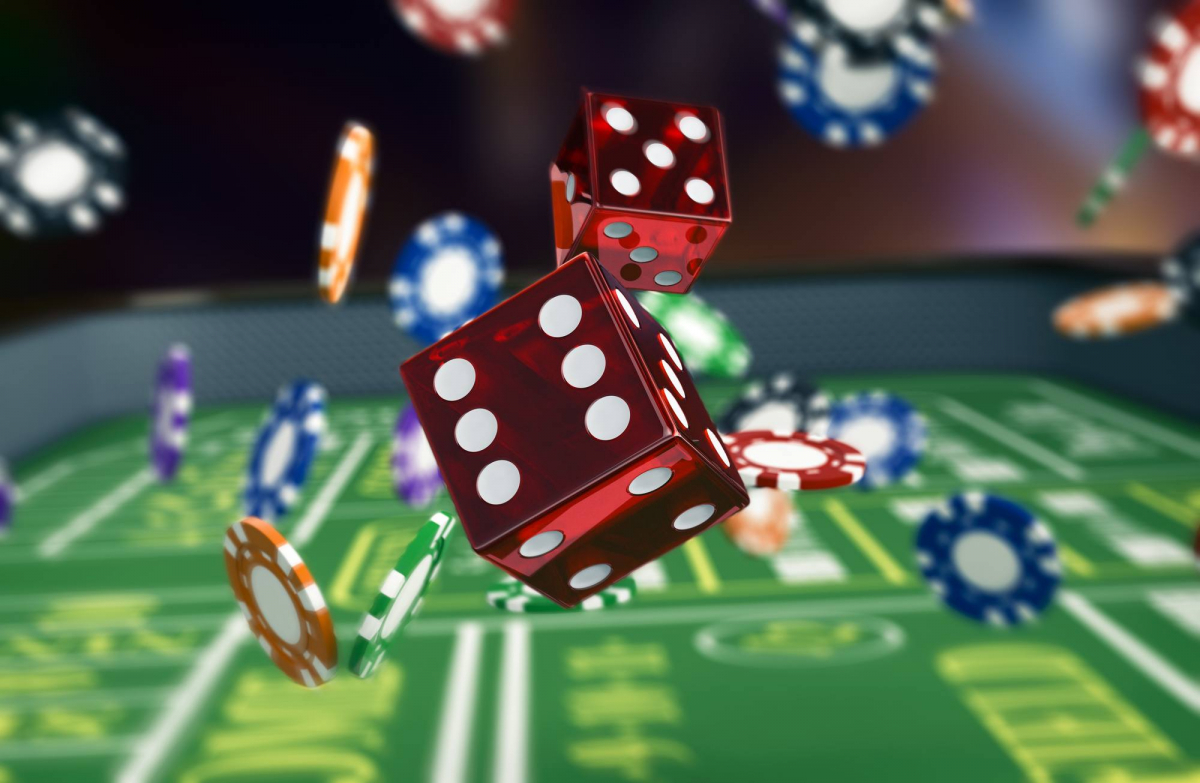
This sensation is heightened in high-stakes environments, where the stakes can include not only money but also status and reputation. Celebrity gamblers, for instance, often share stories of their high-stakes bets, which can amplify the thrill for both the gambler and their audience. The narratives of individuals like Phil Ivey or Ben Affleck showcase how risk-taking can be not just a personal endeavor, but a spectacle that draws public fascination. Their successes and failures offer insights into the broader allure of gambling, making it a captivating subject for many.
Moreover, the concept of loss and the desire to recoup losses play a significant role in gambling behavior. This phenomenon, known as the “gambler’s fallacy,” can drive individuals to continue betting in hopes of reversing a losing streak. The brain’s cognitive biases can lead to flawed reasoning, where past outcomes influence future decisions. In this way, gambling becomes not just about luck but also about the psychological need to overcome adversity, fueling the desire for the next big win.
The Social Aspect of Gambling
Gambling is inherently a social activity for many, offering opportunities for connection and camaraderie among players. The atmosphere in casinos and online gaming platforms can be electric, filled with excitement, laughter, and shared anticipation. Social interaction enhances the overall experience, making it more enjoyable and less isolating. This dynamic is particularly evident in games such as poker, where bluffing and psychological strategies are crucial, fostering a competitive yet friendly environment.
In addition, social media and streaming platforms have transformed the gambling landscape, allowing enthusiasts to share their experiences with a wider audience. Live streams of gameplay create a community where people can interact, share strategies, and celebrate wins together. This sense of belonging can make gambling more appealing, as individuals feel part of something larger than themselves. The influence of celebrity gamblers and influencers further magnifies this effect, drawing in fans who admire their lifestyle and seek to emulate their experiences.
However, the social aspect of gambling can also lead to negative consequences. Peer pressure and the desire to fit in may drive individuals to gamble more than they originally intended. The phenomenon of “chasing losses” can be exacerbated by social settings, where the excitement of the group may lead to impulsive decisions. Understanding the psychological dynamics of social gambling is crucial for both players and those seeking to promote responsible gaming practices.
The Impact of Emotion on Gambling Decisions
Emotions play a pivotal role in gambling behavior, influencing decision-making in profound ways. The excitement of winning can lead to euphoria, while losses can trigger frustration or despair. Such emotional fluctuations are often exacerbated by the unpredictable nature of gambling, where outcomes can vary dramatically. This unpredictability heightens the thrill, as players become emotionally invested in their bets, creating a rollercoaster of feelings that can be both exhilarating and damaging.
Additionally, the concept of “tilt,” commonly used in poker, refers to the emotional state that occurs when a player experiences a series of losses. During this time, rational decision-making can be overshadowed by emotions, leading to poor choices and further losses. This emotional turmoil can drive players to take larger risks in an attempt to recover their losses, often resulting in a vicious cycle. Recognizing these emotional triggers is vital for those seeking to maintain a healthy approach to gambling.
On the flip side, some players harness their emotions to enhance their gameplay. Experienced gamblers may use their emotional states to bluff opponents or read their reactions. This strategic use of emotions adds another layer of complexity to gambling, as players learn to navigate their own feelings while simultaneously gauging those of others. Understanding the psychology of emotions in gambling allows individuals to better manage their experiences and make informed decisions that align with their goals.
The Role of Cognitive Biases
Cognitive biases significantly influence gambling behavior, often leading individuals to make irrational decisions. One common bias is the “illusion of control,” where gamblers believe they have more influence over outcomes than they actually do. This belief can lead to increased betting and a false sense of confidence, ultimately resulting in greater losses. Understanding these cognitive distortions is essential for players, as it can help them recognize when their thought patterns may be skewed.
Another cognitive bias frequently observed in gambling is the “hot-hand fallacy,” which suggests that a player is on a winning streak and will continue to win. This belief can create a gambler’s mindset that encourages them to wager more, even when statistical probabilities suggest otherwise. These biases can be particularly pronounced in games where luck plays a significant role, such as slots or roulette, where the illusion of skill can create a false sense of security.
Recognizing these cognitive biases can empower gamblers to approach their decisions with a more critical lens. By understanding how their thoughts may be clouded by irrational beliefs, individuals can develop strategies to mitigate the influence of biases. Incorporating awareness of these psychological factors into one’s gambling practices can promote healthier engagement and reduce the likelihood of negative outcomes.

Join the Excitement at VibeBet
At VibeBet, we understand the complex psychology behind gambling and strive to provide an engaging platform that captures the thrill. With a vast library of over 3,000 games, including slots and live dealer options, players can immerse themselves in an exhilarating gaming environment. New members are greeted with an enticing welcome package featuring a generous bonus and free spins, making it easier to experience the rush of gambling right from the start.
Safety and responsible gaming practices are priorities at VibeBet, ensuring that players can enjoy their experience without compromising their well-being. Our platform is designed with player security in mind, offering encrypted transactions and 24/7 customer support. By promoting a safe gaming environment, we aim to foster a community where players can explore their excitement responsibly.
Join us at VibeBet today to discover the electrifying world of online gaming. Whether you’re a seasoned gambler or a newcomer, there’s something for everyone. Experience the thrill, connect with others, and embrace the excitement of gambling in a safe and enjoyable setting.