
Luck and skill Which plays a bigger role in gambling success
Understanding Luck in Gambling
Luck is often seen as the primary driver of success in gambling, particularly in games like slots or roulette, where outcomes are predominantly random. This randomness means that players can experience significant wins or losses without any control over the game’s results. Many gamblers cling to the idea of luck, believing that fortune favors them on certain days or during particular sessions, influencing their behavior and strategies. In this context, Betjee provides a platform where players can test these beliefs and seek their fortunes. This belief can enhance the thrill of gambling, creating an emotional rollercoaster as players ride the waves of unexpected wins or devastating losses.
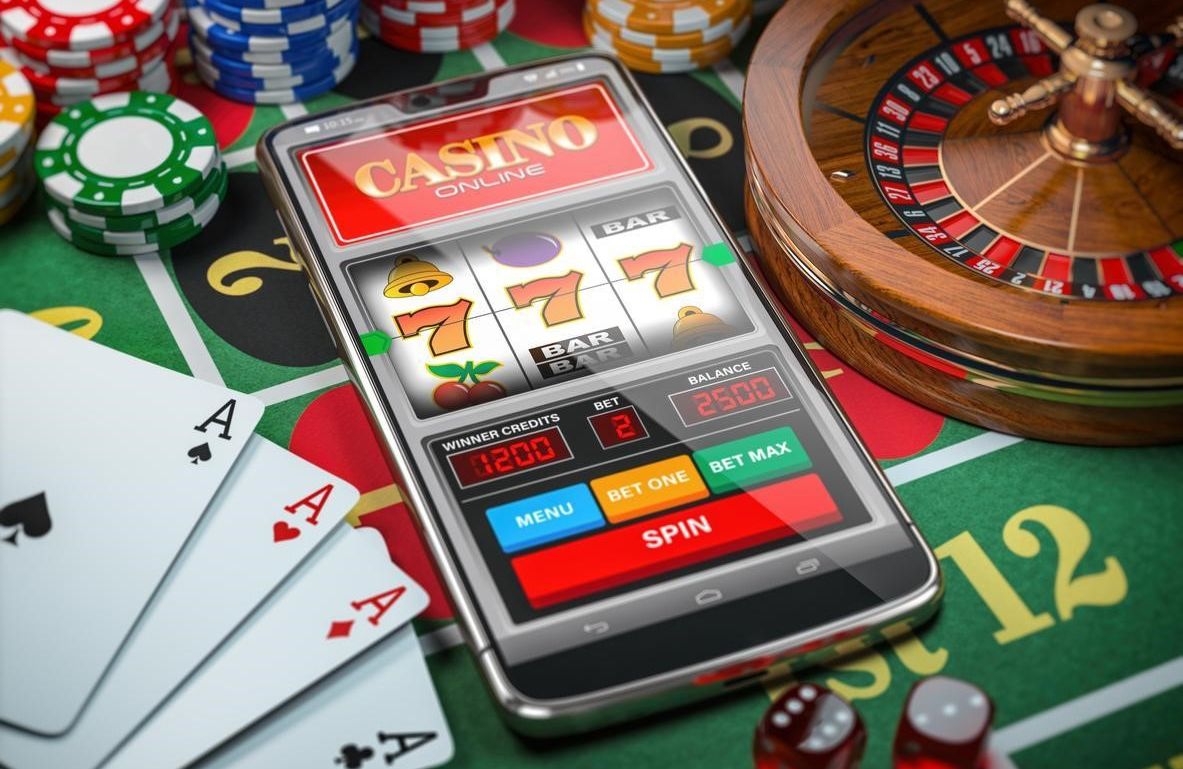
Moreover, the psychological impact of luck cannot be understated. Gamblers frequently recount stories of “lucky” days or moments when they felt that fortune was on their side. These anecdotes contribute to the allure of gambling, as players seek to replicate those experiences. The randomness of certain games leads many to believe that luck is the sole contributor to their success, overshadowing the strategic elements that can also come into play. In essence, while luck plays a significant role, especially in games of chance, it is essential to recognize its limitations and the role of skill in gambling.
However, it’s crucial to note that luck is not entirely unpredictable. Statistically, certain outcomes are more likely than others, and understanding these probabilities can aid in making more informed decisions. While players may not be able to control luck, they can develop strategies that minimize losses when luck is not on their side. This awareness can lead to a more sustainable approach to gambling, where players balance the randomness of luck with a solid understanding of game mechanics and probabilities.
The Importance of Skill in Gambling
While luck can influence immediate outcomes, skill plays a significant role in many gambling scenarios, especially in games like poker, blackjack, or sports betting. In these games, a knowledgeable player can leverage strategy, psychology, and probability to improve their chances of winning. For instance, a skilled poker player knows how to read their opponents, calculate odds, and manage their bankroll effectively. This expertise allows them to make informed decisions, even in the face of unfavorable luck.
Additionally, skill in gambling extends beyond mere knowledge of the game. It encompasses understanding the nuances of betting strategies, such as when to be aggressive or conservative. In sports betting, for example, analyzing team performance, injuries, and historical data can significantly enhance a bettor’s decision-making process. Skilled gamblers often invest time in learning and practicing, which can lead to a more consistent level of success over time, contrasting sharply with the unpredictable nature of luck.
Moreover, the psychological aspect of skill cannot be overlooked. Maintaining composure during losing streaks and recognizing emotional triggers can determine a player’s longevity in gambling. Developing a disciplined mindset and the ability to adapt strategies based on changing circumstances reflect the blend of skill and knowledge necessary for success. Therefore, while luck may provide occasional wins, it is skill that truly paves the way for long-term success in gambling.
The Balance Between Luck and Skill
The dynamic interplay between luck and skill is what makes gambling a fascinating subject. Many games inherently blend these elements, creating scenarios where players must adapt their strategies according to the circumstances. For example, in blackjack, while luck determines the initial cards dealt, a skilled player can significantly influence the outcome through strategic plays such as hitting, standing, or doubling down. This interplay illustrates how both factors contribute to overall success.
Furthermore, understanding this balance can lead to more responsible gambling practices. Players who recognize the role of luck are less likely to chase losses or engage in reckless behavior, as they understand that not every game will favor them. By acknowledging the importance of skill, gamblers can focus on improving their strategies, thereby enhancing their overall experience. This dual recognition fosters a healthy approach to gambling, combining enjoyment with a realistic understanding of the game.
In essence, luck may determine short-term results, but skill dictates long-term success. Players who invest time in honing their craft often find themselves better equipped to navigate the whims of luck. This balance creates a compelling narrative in the gambling world, where players can find satisfaction not just in winning but in the mastery of their skills as well.
Online vs. Offline Gambling
The emergence of online gambling has transformed the landscape of how luck and skill manifest in betting. Online platforms often offer a broader range of games, providing players with more opportunities to apply their skills. For instance, online poker has gained immense popularity, allowing players to compete against a global pool of opponents, which can enhance their strategic development. However, the virtual environment also introduces unique challenges, such as the potential for online distractions that can affect decision-making.
Additionally, the algorithms governing online games introduce an element of unpredictability. While random number generators ensure fairness, players may perceive outcomes as more random than in traditional settings. This can impact how they view luck versus skill, potentially leading to a belief that online gaming is purely reliant on chance. However, skilled players who adapt to the online format often find success through the application of their strategies, enhancing their gambling experience.
Conversely, offline gambling tends to offer a more personal experience, where players can engage directly with dealers and other gamblers. This interaction allows for a more nuanced understanding of psychology and strategy, particularly in games like poker and blackjack. The social element of offline gambling also contributes to the enjoyment factor, as players can share their experiences and strategies, emphasizing the importance of skill in a more interactive setting.

Exploring Betjee’s Gambling Platform
Betjee, a premier online gambling platform, perfectly illustrates the balance between luck and skill. Catering specifically to Pakistani bettors, it offers a diverse range of sports betting and casino games, allowing players to explore various opportunities to apply their skills. The platform is licensed under Curaçao regulations, ensuring a secure and fair gaming environment, which is crucial for both novice and seasoned gamblers.
With an emphasis on user experience, Betjee features a user-friendly interface accessible on both desktop and mobile devices. This accessibility allows players to engage in their favorite games seamlessly, whether it’s blackjack or cricket betting. Additionally, Betjee offers attractive bonuses that can enhance a player’s bankroll, providing further opportunities for skill application, particularly in strategic games where knowledge can lead to more significant rewards.
Moreover, Betjee prioritizes responsible gambling, understanding the delicate balance between luck and skill. With 24/7 customer support and various local payment options, the platform fosters a trustworthy environment for its users. This commitment to a secure and enjoyable experience makes Betjee a standout choice for gamblers seeking both fun and the opportunity to enhance their skills in a thriving online community.